Moving into Design
Learning Objectives
- Explain the initial transition from analysis to design.
- Create a system specification.
- Describe three ways to acquire a system: custom, packaged, and outsourced alternatives.
- Create an alternative matrix.
Transition from Requirements to Design
Key Ideas
- In Systems Analysis we figure out what the business needs
- In System Design we figure out how to build the system that fulfills those needs
- All of the “logical” work from Systems Analysis is converted to the “physical”
Key Definitions
- Design phase
- Decide how to build the system
- Create system requirements that describe all technical details for building the system
- System specification
- Final deliverable from design phase
- Conveys exactly what system the development team will implement during the implementation phase
Design Phase Steps
- Decide to build, buy, or outsource the system.
- Plan the technical "skeleton" (architecture).
- Plan for security and global users.
- Select specific hardware and software tools.
- Design how users will navigate and see info (UI).
- Write the logic for how the system processes tasks.
- Design how and where data is stored.
- Finalize the "System Specification" (the master blueprint).
The Final System Blueprint
- The Strategy: Should we build, buy, or hire?
- The Scorecard: Why we chose this specific option.
- The Map: How the servers and cloud connect.
- The Shopping List: Exact hardware and software needed.
- The User View: Screen mockups and button layouts.
- The Logic: Instructions for the programmers.
- The Vault: How and where data is safely stored.
- Access Rights: Who can see or change the data (CRUD).
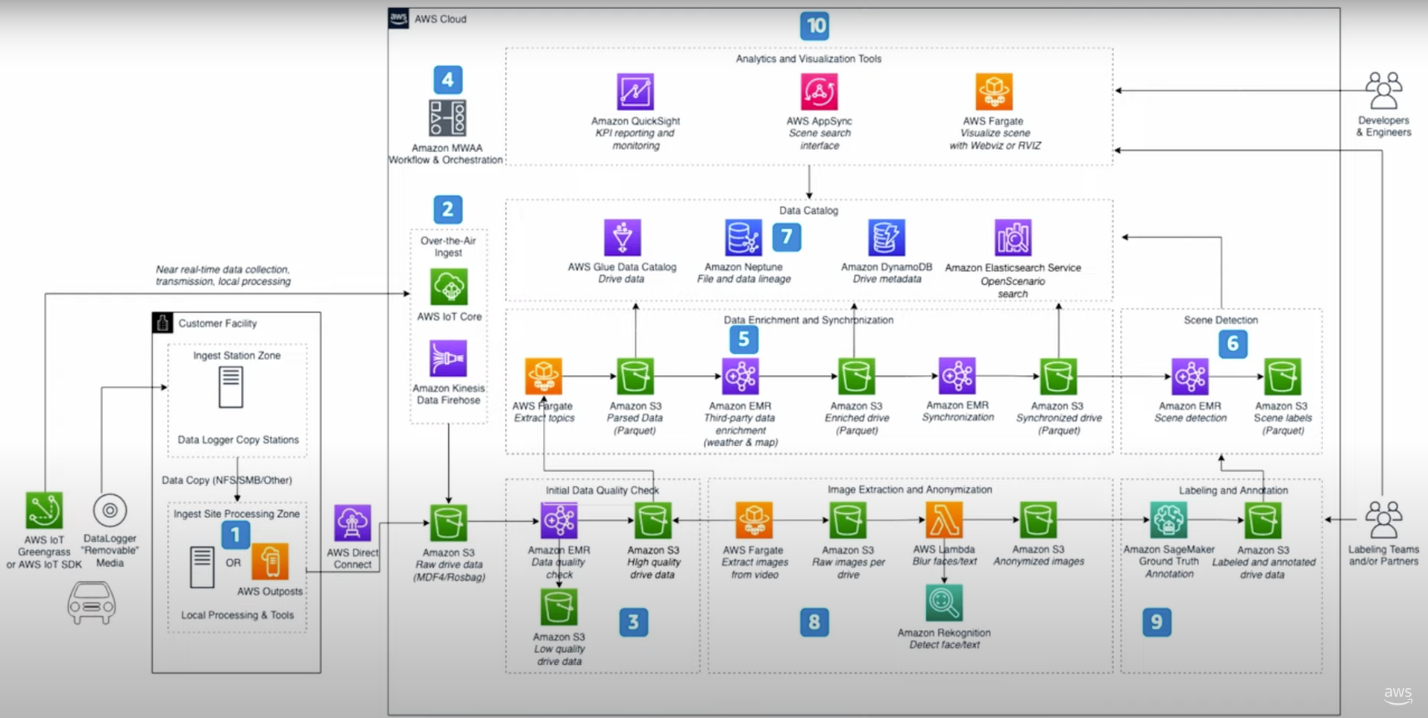
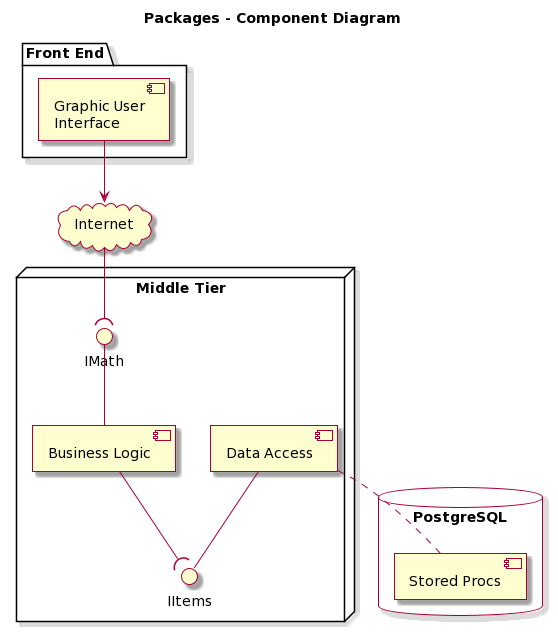
System Architect
- AWS
- lets-architect-designing-well-architected-systems
- System Design: Netflix - A Complete Architecture
- How Netflix Designed Its Global Cloud Architecture on AWS
- System Design: Spotify Premium - A Complete Architecture
- Netflix solved specific networking bottlenecks that occur when you operate at the scale of millions of containers per day.

System Acquisition Strategies
Ways to Acquire a New System
- Custom Build: Build it yourself from scratch.
- Software Package (Off-the-shelf):
- On-Premise: Buy and host it yourself.
- Cloud/Hosted: Rent access from a provider.
- Outsource: Pay a partner to build or buy/configure it for you.
Custom Development (In-House)
| PROS (The "Why") | CONS (The "Risk") |
|---|---|
| Exact Fit: No wasted features. | Time Intensive: Takes months, not days. |
| Integration: Matches your tech stack. | Resource Drain: Pulls staff from other tasks. |
| In-House Knowledge: You own the expertise. | Higher Cost: Salaries + Maintenance add up. |
| Competitive Edge: Your rivals don't have it. | Success Risk: High chance of scope creep or failure. |
Purchased Software (SaaS / Packages)
| PROS (Speed & Cost) | CONS (Fit & Control) |
|---|---|
| Battle-Tested: Proven and reliable. | Imperfect Fit: Requires "workarounds." |
| Rapid Start: Available almost instantly. | Process Change: You must adapt to it. |
| Shared Costs: Much cheaper upfront. | Vendor Dependency: You rely on their help. |
| Built-in Expertise: Vendor handles tech. | Hidden Complexity: Hard to link to old apps. |
Cloud-Based Software (ASP & SaaS)
- ASP vs. SaaS:
- ASP: Provider hosts someone else's app.
- SaaS: Vendor hosts their own app (standard today).
- The Benefit: Massive savings on hardware and maintenance.
- The Risks:
- Security: Is our data safe on their servers?
- Performance: Are we limited by internet speed?
- The Strategy: Vet the company as much as the code. Will they be around in 5 years?
Systems Integration: The "Digital Glue"
- The Concept: Connecting disparate tools (legacy, packages, and custom code) into one ecosystem.
- The Core Challenge: Data mapping—ensuring two systems interpret the same information the same way.
- The Professional Niche: Integration consulting is a major industry because "talking" between systems is rarely straightforward.
Outsourced Development
| PROS (The Benefits) | CONS (The Risks) |
|---|---|
| Instant Expertise: Hire skills you don't have. | No Skill Growth: Team learns nothing new. |
| Speed & Value: Often faster and cheaper. | Vendor Lock-in: You rely on them for fixes. |
| Lower Internal Risk: Vendor handles the build. | Limited Flexibility: Hard to pivot mid-project. |
| Focus: Keeps your team on core tasks. | Data Security: Sharing info with third parties. |
| Accountability: Performance tied to contract. | Contract Ties: Quality is only as good as the SLA. |
Outsourcing Strategy
- Definition: Hiring external experts to build or provide your system.
- Custom Options: They can build a one-of-a-kind tool just for you.
- The Goal: Lower costs and gain access to high-level expertise quickly.
- Critical Risks:
- Security: Privacy of company data.
- Independence: Losing the ability to grow the system ourselves.
- Skill Gap: Missing the chance to train staff.
Outsourcing Contracts
- Time and arrangements
- Fixed-price
- Value-added
Outsourcing: The Golden Rules
- Communicate: Keep the lines open; never "set it and forget it."
- Lock Requirements: Finish the plan before signing the check.
- Partnership: Treat the vendor as an extension of your own team.
- Manage the Link: Assign a dedicated lead to oversee the vendor.
- Knowledge is Power: Never outsource a process you don't understand.
- Stay Agile: Aim for long-term trust but short-term, flexible contracts.
Influences on the Acquisition Strategy
What factors do we consider?
Acquisition Strategy Selection Factors
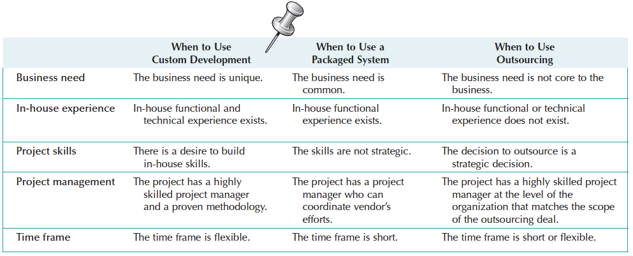
Selecting an Acquisition Strategy
How do we choose?
Developing Our Options: The Fact-Finding Mission
- Goal: Collect hard data to compare our three paths.
- The Market: Which vendors already have a "ready-to-go" product?
- The Tech Stack: What languages, databases, and tools would we need to build it?
- The Partners: Which outside firms have the right experience to build it for us?
The Procurement Toolkit
- RFI (Information): Gathering facts. "What can you do?"
- RFP (Proposal): Detailed plans. "How would you solve our specific business problem?"
- RFQ (Quote): Commodity pricing. "We know what we need; what is your best price?"
Inside the RFP: The Vendor's Guide
- The Mission: Clear description of what the system must do.
- The Rules: Special technical constraints and security needs.
- The Scorecard: How we will grade and select the winner.
- The Format: Specific instructions on how to submit the bid.
- The Deadline: Our expected project schedule and milestones.
- The Context: Extra details to help vendors provide a fair, accurate price.
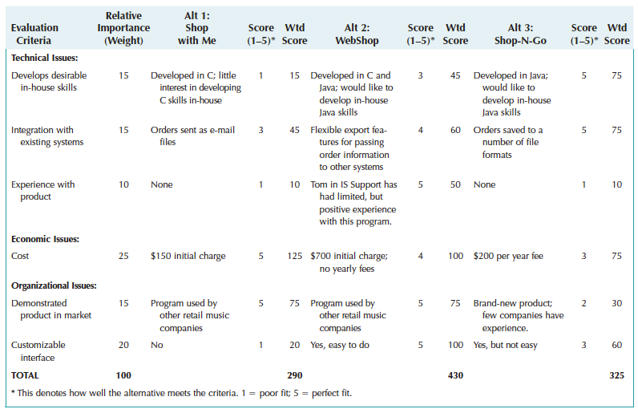
The Alternative Matrix: Data-Driven Choice
- Centralized View: Merges all feasibility studies into one table.
- Three Pillars: Evaluates Technical, Economic, and Organizational fit.
- Weighted Importance: Gives more "power" to the factors that matter most to the business.
- Scoring System: Objectively grades how each option (Build/Buy/Outsource) performs.
Sample Alternatives Matrix
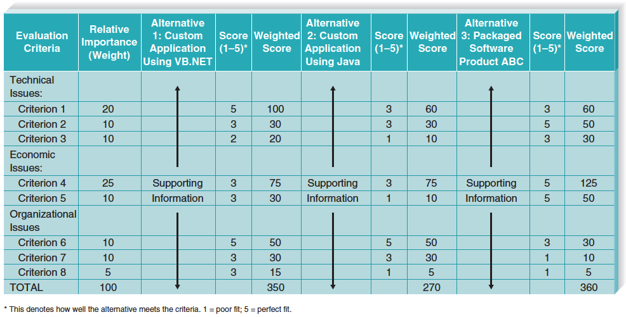
Tune Source Alternatives Matrix